What is ultra-rapid EV charging - and where can you find it in the UK?
Ultra-rapid EV charging delivers 150kW or more, meaning most modern electric cars can add 100 miles of range in around 20-30 minutes. As of 2026, there are nearly 10,000 ultra-rapid chargers across the UK - and the network grew by 41% in 2025 alone.
If you've just made the switch to electric - or you're planning to - you've probably noticed that not all public chargers are the same. Some take hours; others take minutes. Understanding the difference can transform how you think about living with an EV. This guide explains exactly what ultra-rapid charging is, how it works, which networks offer it, and how to find it anywhere in the UK using Electroverse.
What counts as ultra-rapid charging?
The UK charging industry uses four official speed categories, defined by kilowatts (kW) of power:
Slow - 3kW to 7.9kW (a full charge overnight)
Fast - 8kW to 49kW (a few hours)
Rapid - 50kW to 149kW (20-60 minutes for most cars)
Ultra-rapid - 150kW and above (10-30 minutes for a meaningful top-up)
Ultra-rapid chargers always use DC (direct current), which bypasses your car's onboard charger and delivers electricity straight to the battery. That's why they're so much faster than AC chargers at standard speeds.
At 150kW, a car like a Kia EV6 or Hyundai IONIQ 6 - both capable of accepting that speed - can add around 100 miles of range in roughly 18 minutes. At 350kW or above, the very latest vehicles can do the same in under 10 minutes, making a motorway stop little different from a petrol fill-up.
Important: Your car's maximum charging speed is always the limiting factor - not the charger. A 150kW charger won't damage a car that can only accept 50kW; it will simply charge at the car's maximum rate.
Why is ultra-rapid charging growing so fast?
Ultra-rapid chargers are the fastest-growing part of the UK's public charging network by some distance. There were just under 10,000 ultra-rapid devices in operation at the end of 2025 - 41% more than at the end of 2024, with 3,425 new units added in that single year.
That growth is strategic, not accidental. Networks and investors have recognised that ultra-rapid chargers at the right locations - motorway service areas, retail parks, key arterial routes - do more to reassure drivers than hundreds of slower chargers scattered across car parks. They're typically the most visible chargers on the network, and they make the biggest psychological difference for drivers considering the switch from petrol.
The number of charging hubs - defined as sites with six or more rapid or ultra-rapid devices - grew by 39% in 2025 to 748 locations around the UK. Investment is also spreading beyond London and the South East: the North West saw rapid and ultra-rapid charger numbers grow by more than 35% last year, while the East of England and Wales each grew by around 29%.
Which networks offer ultra-rapid charging in the UK?
Several major networks now operate ultra-rapid chargers across the UK. Here's a rundown of the key players, all of which are accessible through the Electroverse app and Electrocard:
Osprey Charging
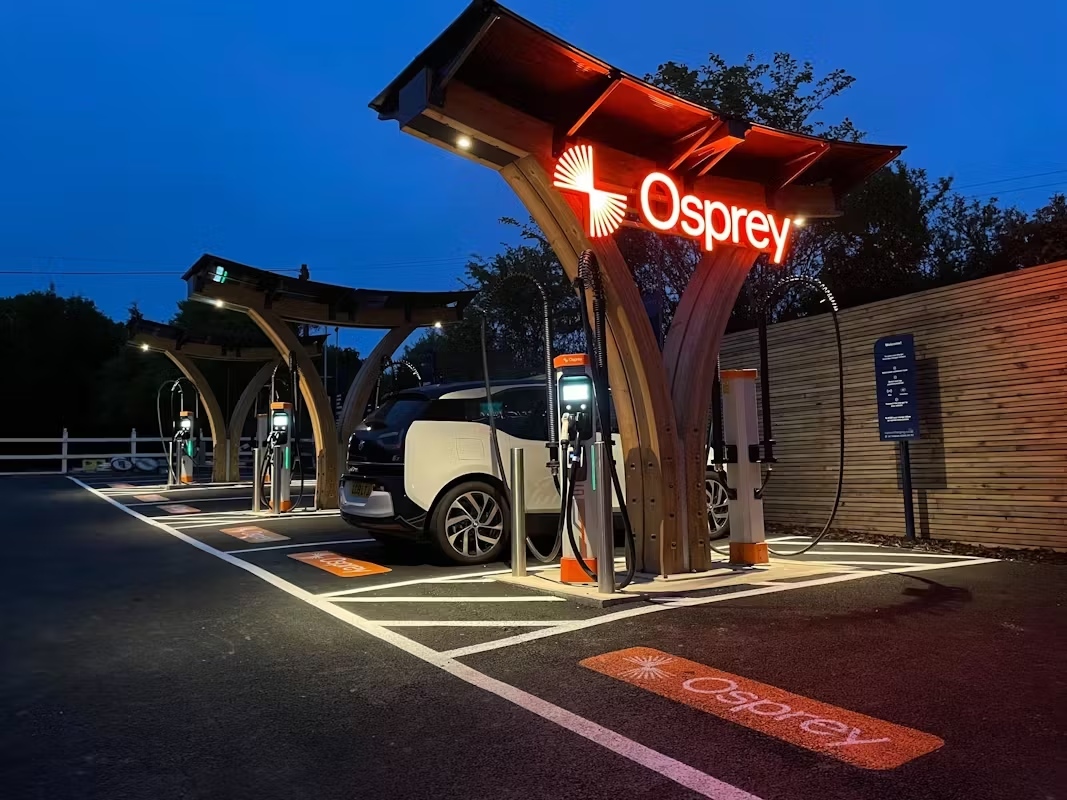
Osprey operates more than 1,000 rapid and ultra-rapid locations across the UK, with chargers delivering up to 300kW. A recent flagship hub at Twyford Services in Evesham, Worcestershire features 16 ultra-rapid units on a purpose-built site designed for drivers on longer journeys. Osprey claims over 99% network reliability and accepts contactless payment without requiring an app or account.
InstaVolt
InstaVolt is one of the UK's largest rapid charging networks, with around 2,100 chargers operating at speeds from 50kW up to 160kW. The network has a strong footprint near major roads and urban centres, with charging bays at locations including McDonald's, Starbucks and Bannatyne health clubs. There are no subscriptions required - pay by contactless and go.
IONITY
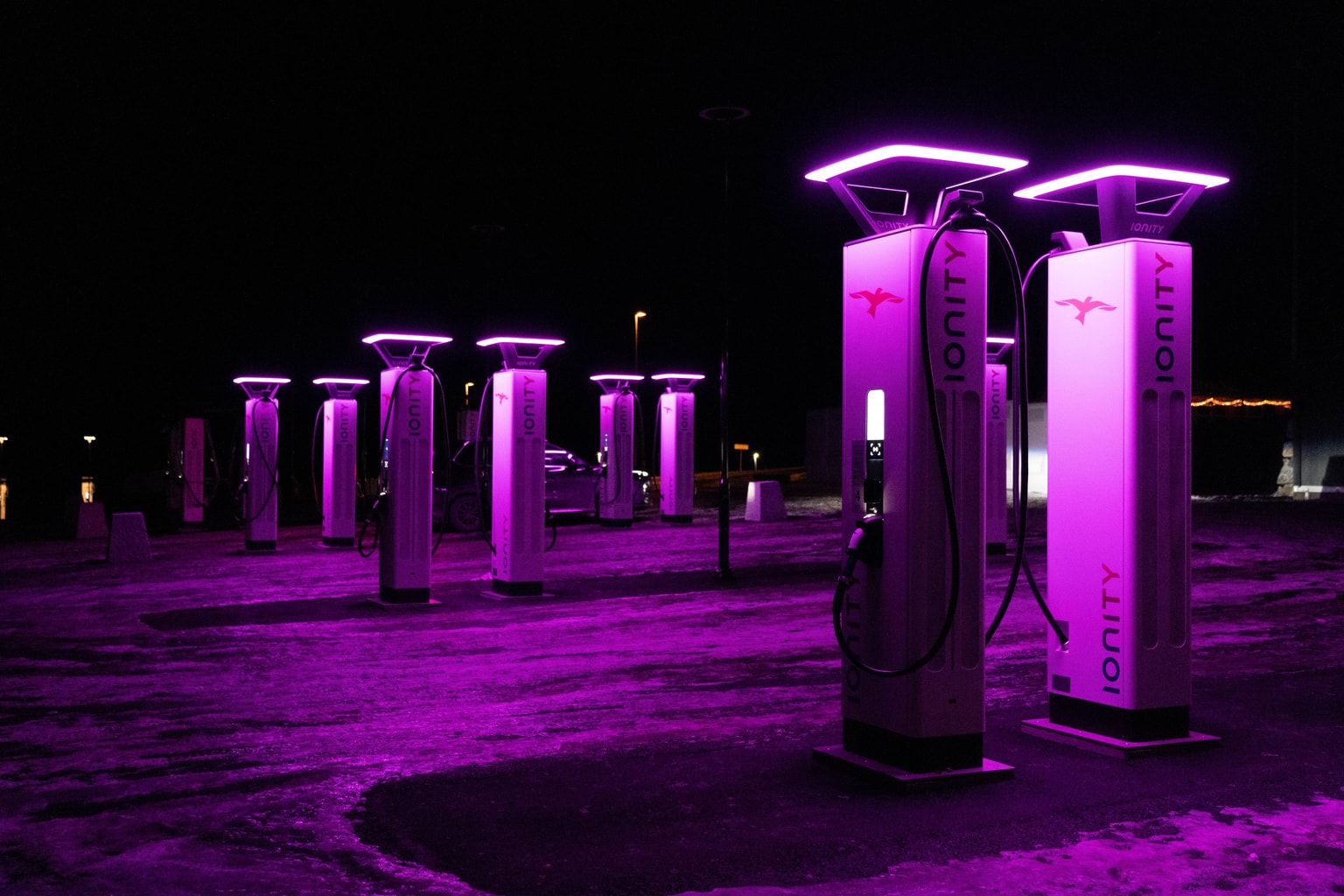
Ionity operates at some of the highest power levels available in the UK, with chargers rated at up to 350kW at motorway and key route locations. With 58 UK sites and growing, it's particularly suited to long-distance journeys in high-spec vehicles capable of accepting ultra-rapid speeds.
MFG EV Power
MFG operates forecourt-based ultra-rapid hubs up to 300kW, predominantly at petrol stations and service areas along major routes. A practical choice for en-route charging, particularly in the Midlands and North.
Be.EV
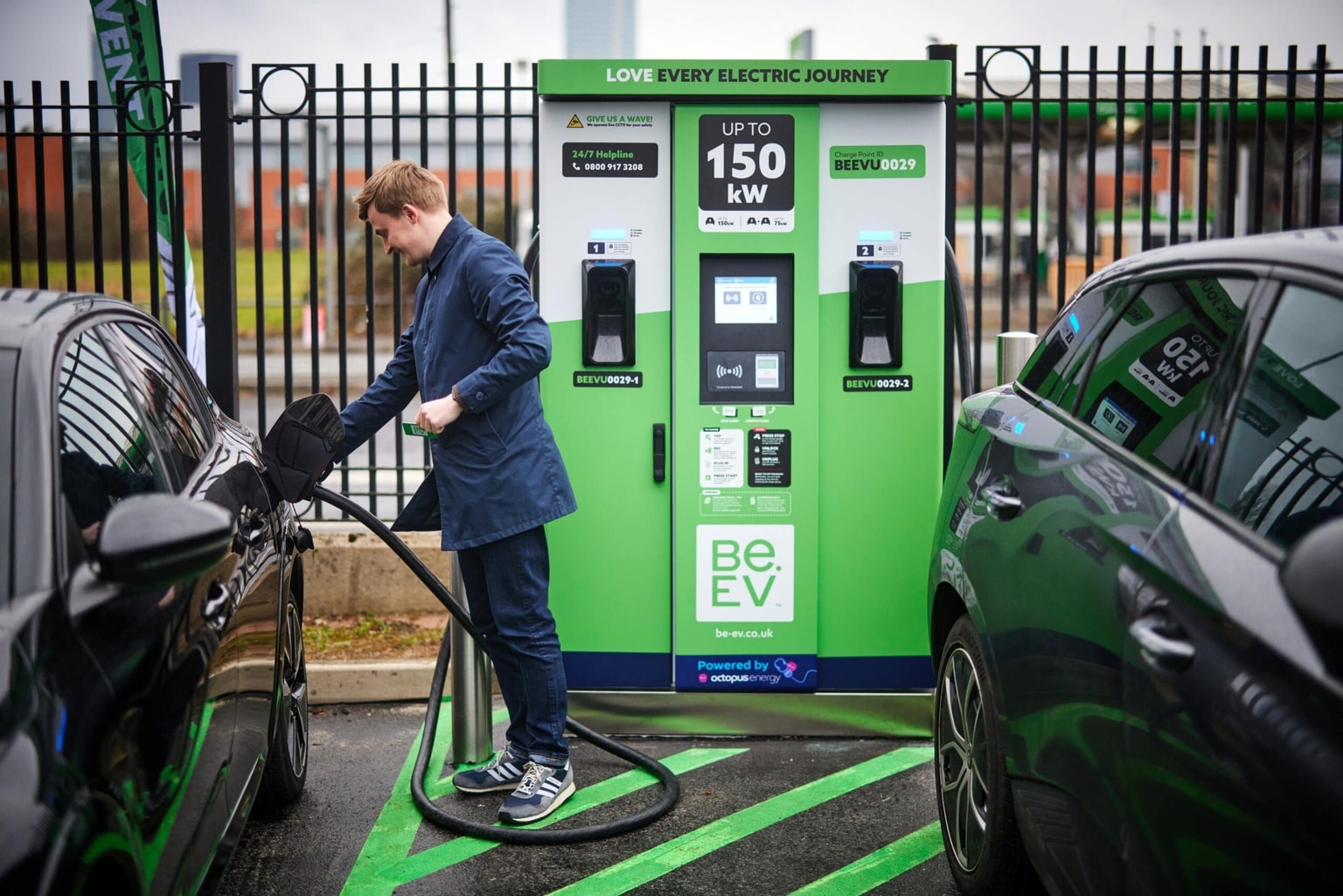
Be.EV is a growing northern-focused network, with ultra-rapid chargers up to 300kW. Members can access off-peak rates as low as 39p/kWh - among the cheapest rapid charging available in the UK - making it a strong option for regular users in its coverage area.
How much does ultra-rapid charging cost?
Pay-as-you-go prices at ultra-rapid chargers typically range from around 75p to 87p per kWh in 2026. That's higher than standard or rapid chargers (which tend to sit around 54-76p/kWh), reflecting the infrastructure investment required for high-power units.
For a 60kWh battery - typical of a mid-size EV - a charge from 20% to 80% (36kWh) costs roughly £27-£31 at ultra-rapid speeds. Most drivers don't charge to 100% in public; stopping at 80% is faster and better for battery longevity.
Charge often at the same spots? Check out Electroverse subscriptions to see if you can save big monthly!
If you charge regularly on the public network, an Electroverse account also gives you access to dynamic pricing through Plunge Pricing - discounted rates at participating ultra-rapid chargers during off-peak grid periods, powered by Octopus Energy's electricity intelligence.
Does my car actually support ultra-rapid charging?
This is the crucial question. Your car's battery management system sets a hard ceiling on how fast it can charge, regardless of what charger you plug into. Here's a rough guide to what popular UK EVs can accept:
Vehicle
Max speed
Tesla Model 3 Long Range
250kW
Hyundai IONIQ 6
230kW
Kia EV6
240kW
BMW i4
210kW
Volkswagen ID.4
135kW
Nissan Leaf (older models)
50kW
Renault Zoe
50kW
Newer EVs are increasingly designed to accept 150kW or more. If you're buying a new car in 2025 or 2026, check the maximum DC charging rate in the specification sheet - it's one of the most practical things to compare.
Where to find ultra-rapid chargers in the UK
The fastest way to find ultra-rapid chargers near you - or along a planned route - is the Electroverse app. You can filter by charging speed, so only ultra-rapid (150kW+) locations appear on the map. You can also check live availability, see real-time pricing, and pay for your session directly from the app or with your Electrocard - all without needing a separate account with each individual network.
Electroverse gives you access to over one million chargers across the UK and Europe from a single account. That includes Osprey, Ionity, InstaVolt, MFG, Be.EV, and dozens of other networks - so you're never locked into a single provider.
To filter for ultra-rapid only in the Electroverse app:
Open the map
Tap the filter icon
Select 150kW+ under charging speed
The map will show only ultra-rapid locations
Where is ultra-rapid coverage strongest in the UK?
The South East currently has the highest concentration of ultra-rapid chargers, with around 2,600 rapid and ultra-rapid units as of early 2026. The North West comes second with just over 2,000, having grown by 35% in 2025 - faster than many expect from outside London.
Coverage is strongest:
Along the M1, M6, M4 and M25 corridors
At motorway service areas (Ionity, MFG, and Tesla all have a significant motorway presence)
In major cities including London, Manchester, Birmingham and Edinburgh
At retail parks and supermarket car parks in suburban areas
Coverage is thinner but improving:
Rural areas, particularly in Wales, Northern Ireland, and parts of the South West
Smaller towns off the main arterial routes
That picture is changing. Investment is accelerating across all regions, and the government's LEVI fund is expected to drive on-street and local charging into less-served areas through 2026 and 2027.
Do I need a different cable or connector for ultra-rapid charging?
In the UK, almost all ultra-rapid chargers use the CCS (Combined Charging System) connector — also known as CCS2 or Combo 2. All new electric cars sold in the UK since around 2022 include a CCS port as standard.
Some older Nissan LEAFs and early-generation Mitsubishi models use the CHAdeMO connector instead. CHAdeMO chargers are becoming rarer as the network transitions to CCS, so if you drive an older Leaf, it's worth checking charger availability on your route in advance.
Tesla vehicles use a proprietary connector in some configurations but can access CCS chargers with the Tesla-to-CCS adapter. Tesla also operates its own Supercharger network, which is open to non-Tesla drivers in the UK at slightly higher rates.
Unsure about connector types? We break them down in detail in our blog "CCS vs CHAdeMO vs Type 2: EV connector types explained"
A quick recap: is ultra-rapid charging right for you?
Ultra-rapid charging isn't something most EV drivers use every day. For the majority of people, daily driving is covered by home charging overnight. But for longer journeys, motorway trips, or situations where you need to top up quickly with no home charger available, ultra-rapid is transformative.
If your car supports it, a 20-minute stop at an ultra-rapid hub during a motorway journey is comparable in convenience to a petrol stop - and with the Electroverse app, finding, accessing and paying for one is seamless across every major network in the UK.
Ready to find ultra-rapid chargers near you?
Download the Electroverse app or use the Electroverse map to find ultra-rapid chargers anywhere in the UK. Filter by speed, check live availability, and pay with one account - whether you're using an Osprey forecourt, or an Ionity motorway site.
Feeling enlightened or do you think something was missing? Let us know by sharing your feedback.