Electro Beat: Your monthly dose of EV news (April 2026)
We are back with the April edition of Electro Beat - your monthly roundup of the biggest stories shaping the electric vehicle world. This month’s lineup is a good one: a new French E-bike, a record breaking electric Ford Mustang, wireless EV charging from Porsche, and plenty more worth checking out!
Let’s get plugged in…
Life is a highway with this new French E-Bike
From a child seat, to 100 miles of range - oh, and pedals….
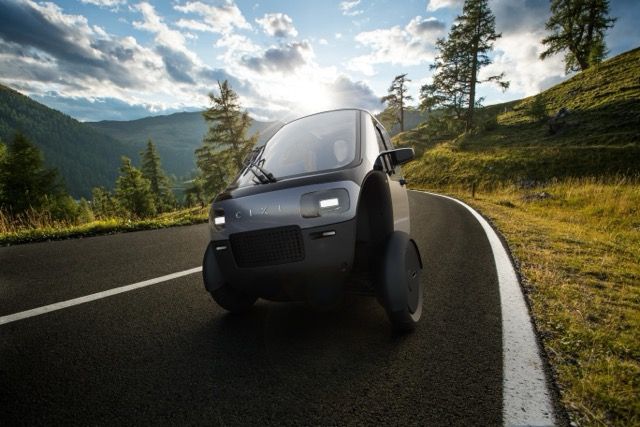
This highway capable vehicle is actually an E-Bike, accelerating the market with a max speed of 75mph! Called the Pod Bike, this vehicle is not quite a car, and something more than a bike (especially with more than 2 wheels), it’s created its own classification of vehicle: the L5e-A Motor Tricycle. By cycling for health, whilst keeping up with automotive traffic, this micro-car is revolutionising the sector of Active Mobility.
This initiative goes in hand with the French mobility initiative, suitably named, “Plan Vélo et mobilités actives”: launched in 2023, running through to next year. It’s 3 main aims are:
Make cycling accessible to everyone, and helping kick start it for young kids
Make cycling and walking an attractive option, rather than private car travel
Financially supporting French powers to promote these initiatives in the economy
The purpose of this little van is to bridge the gap from car to bike. It’s designed to help drivers stay healthy and active, easy “sweat-free” commuting, and for everyday outdoor driving.
With enclosed seating and car-style design, it’s built to provide the comfort of private car driving - without the car part. It includes phone holders, phone integration, and even air conditioning! To smooth out the drive, it offers Assisted Tilting to allow for easy turning and style, leaning up to 25 degrees like the fluidity of a motorbike.
This mash up of an electric car and E-Bike is
Range = 100 miles
Battery = 22kWh
Seating = 2, driver and one passenger - even space for a car seat!
Charging time = 6 hours (standard)
How does the tech work?
PERS aka Pedaling Energy Recovery System - effectively the more you pedal the faster you go.
Without a traditional bike chain, this tech uses ‘drive by wire’ architecture meaning the system reads pedal power as “go faster” - helping this little van reach highway speeds.
The cycling part comes from the physical pedalling process: aimed to keep fitness up and simulate the sensation of riding a bike. The power of the pedals works to drive speed up and enhance the experience like an automotive vehicle. It’s the best of both worlds, and ideal for a commuting journey - while being a bit strange.
Electric Ford Mustang rules the road
There are fast cars… and then there’s this!
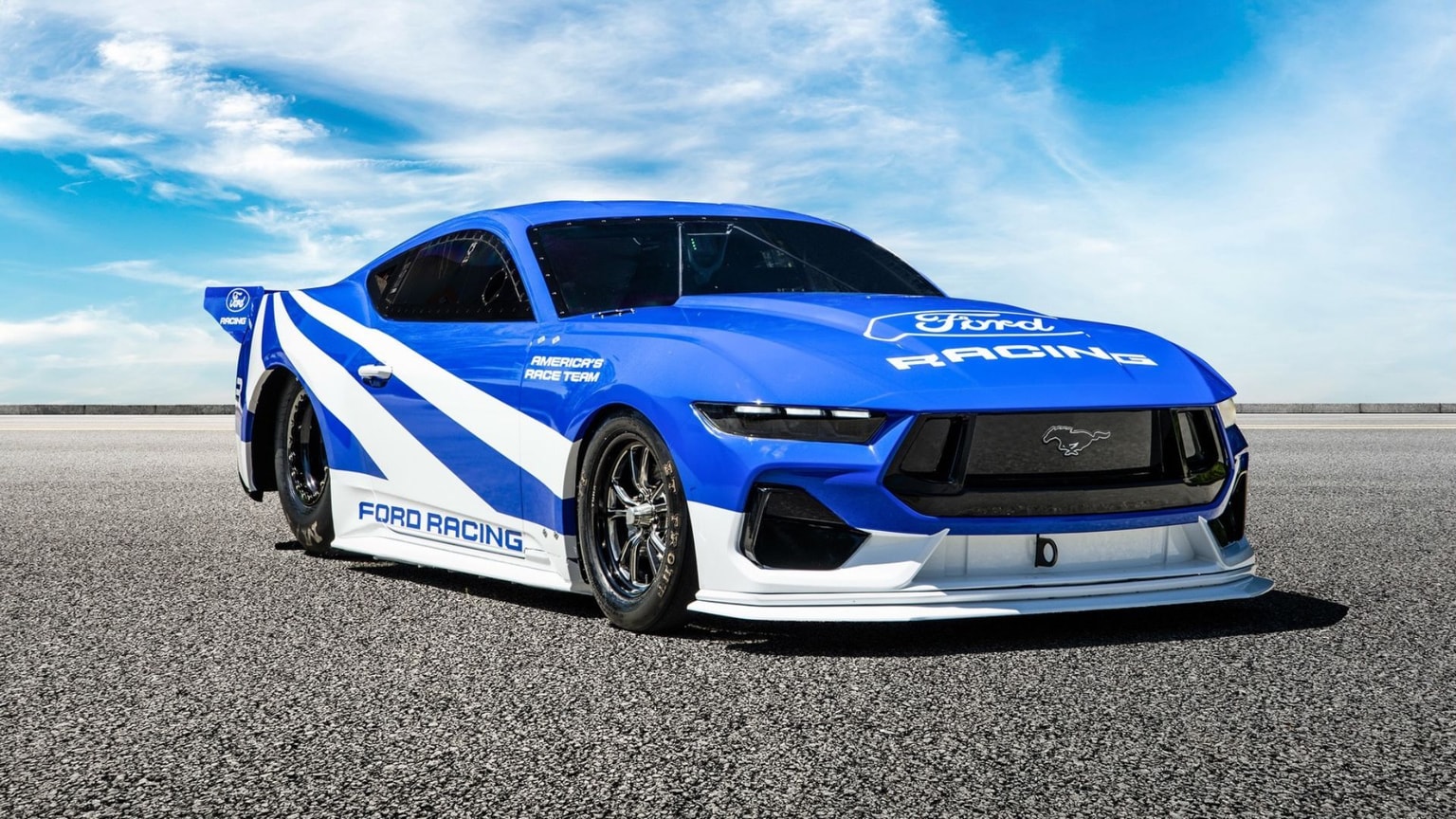
Meet the Ford Mustang Cobra Jet 2200 - a 2,200 horsepower electric monster that just rewrote the racing rulebook with a 6.87 second quarter mile at 221 mph. Blink and you’ll miss it!
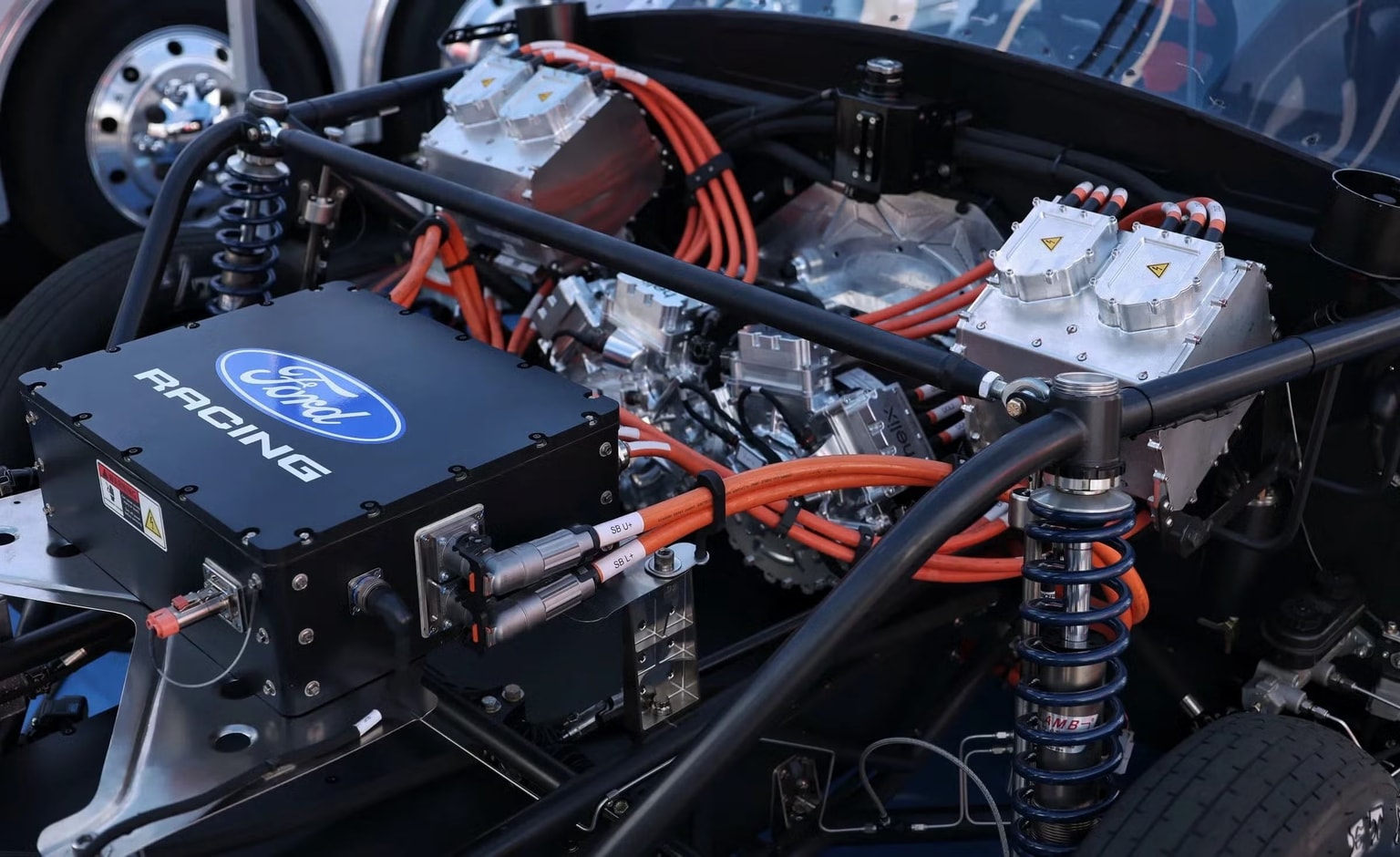
Built by Ford Motor Company’s engineering team, this is a car which was born from its ancestor: the Cobra Jet 1800, with some exciting modifications to ensure it was even faster. With fewer motors (two instead of four), less weight, more power, and inverters running at over 98% efficiency, the Mustang is built for speed! Basically: less fuss, more go.
Once it hit the track, this thing didn’t just beat the previous record set by its predecessor, it obliterated it by 0.75 seconds!
But here’s where it gets interesting. While most EVs are all about smooth, instant torque, Ford leaned into old-school drag racing tricks. There’s a centrifugal clutch* to manage launch traction - avoiding wheel spin, plus a multi-speed transmission (essentially a gear box) to shift the motor back into the optimal range as the car accelerates. This car is a combination of retro and futuristic - and clearly very effective!
A centrifugal clutch is a type of clutch that automatically engages using rotational speed instead of a driver pressing a pedal.
Underneath the suave, sporty exterior, it has a 900 volt architecture with a 32 kWh battery that can recharge in about 20 minutes.
This project also had a surprisingly fast evolution. Back in 2021, the Cobra Jet 1400 was completing the quarter mile in just over 8 seconds, but now the latest innovations are hitting the six second range!
So, what does it all mean?
Right now, it’s a statement. A loud, record-breaking statement that electric power isn’t just efficient, it’s fast. Whether any of this tech trickles down into your next everyday EV is still a question mark. However, as proof of what is possible and what is to come, this technology is an exciting leap forward for the electric world!
Public charging is now cheaper than fuel at the pump in the UK
If you’ve noticed that prices at your local petrol station are looking a bit steep, you’re not wrong. Surging fuel costs and the impact on global supply chains are likely the new reality, but there’s a silver lining for the EV world: for the first time in over a year, public charging is officially cheaper per mile than petrol or diesel in the UK.
So what are the hard facts?
Data from ChargeUK shows that a driver using standard public chargers is now spending roughly 15p per mile. Compare that to 17p for petrol and 17.5p for diesel, and the "EVs are too expensive to run" argument starts unravelling. Even if you’re mixing in some rapid charging (the 80/20 split most of us do), you’re still coming out on top at 16p per mile.
What’s caused the shift?
Global conflicts have sent liquid fuel prices on a volatile spin, meaning that prices at the pump have jumped to cover the impact. On the other hand, electricity costs have remained steady and more predictable. It’s not necessarily a win on the whole, but a very clear reason why the shift to electric is so important, not only for the environment but drivers’ wallets too.
The bigger picture - there’s no sign of EV adoption slowing down, as Auto Trader also reported that new EVs are now cheaper to buy than petrol cars once you bake in discounts. When you consider that alongside the cost to charge up on the public network (without even considering home charging), it paints a pretty good picture for the EV market!
Wireless EV charging is coming - and Porsche is leading the way
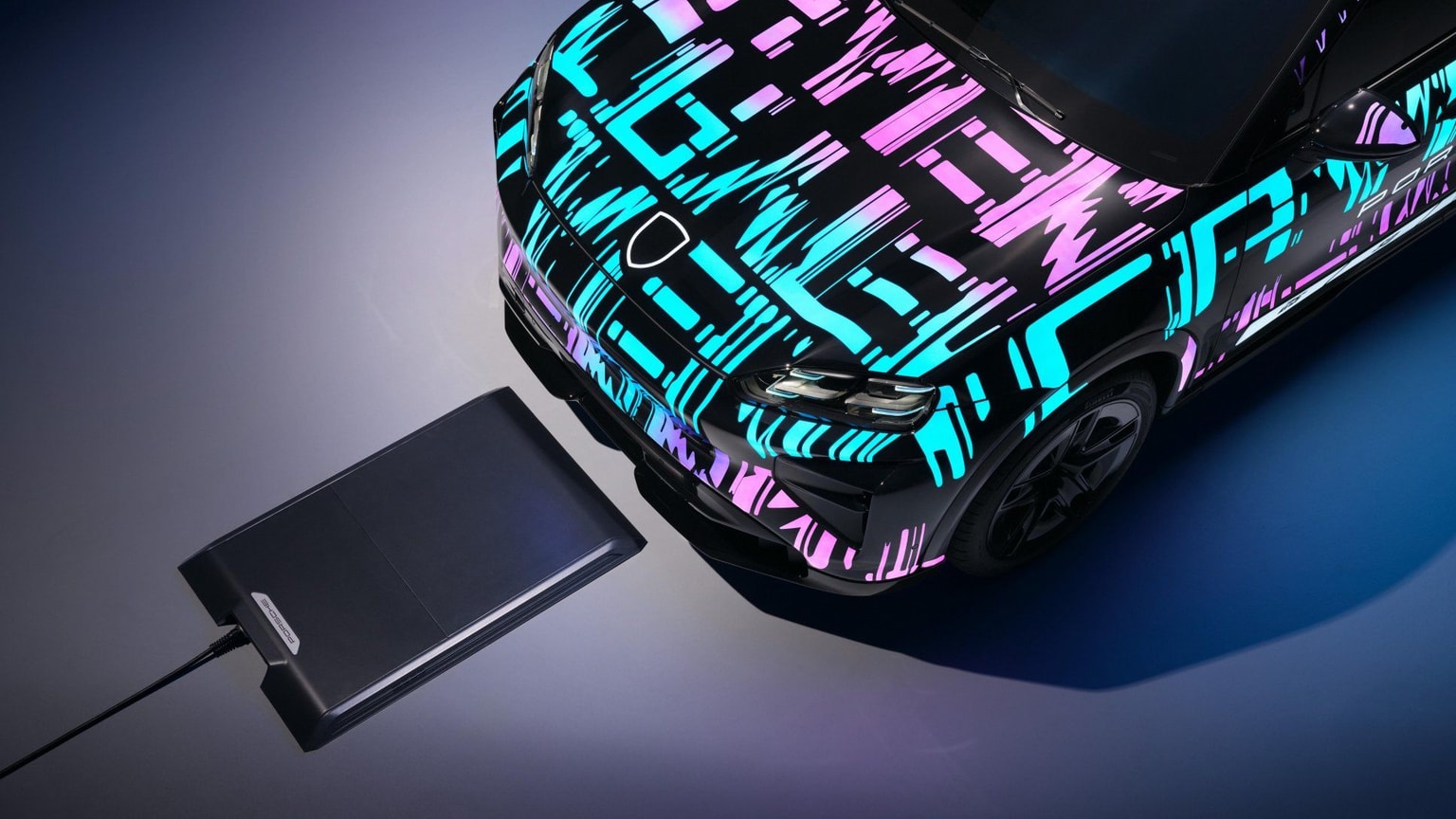
Wireless charging for EVs is moving from concept to reality, with Porsche Cayenne Electric set to introduce inductive charging later this year. Instead of plugging in, drivers simply park over a charging plate and the process begins automatically.
The system works using a ground-mounted plate and a receiver built into the car. When aligned, energy is transferred via a magnetic field - similar to wireless phone charging, but scaled up for EVs.
How it works in practice
Once parked over the charging plate, the car uses positioning tech to guide alignment. A digital handshake then confirms the connection and charging begins automatically.
Charging happens across a small air gap (around 12-18cm)
Power is transferred via magnetic induction
AC power is converted into DC for the battery
Built-in safety sensors stop charging if objects are detected
Porsche claims efficiency of around 90%, with speeds similar to a home wallbox (though capped at ~7.6kW in the UK).
Convenience, with a premium price
The biggest benefit is simplicity. No cables, no handling - just park and charge. For drivers who charge at home regularly, this could make everyday use noticeably easier.
Estimated total cost: ~£6,750
Ground plate is the most expensive component
Designed primarily for home installation
Compatible with standard household power setups
Wireless charging removes one of the last “manual” steps of EV ownership. It might seem small, but convenience plays a big role in adoption - especially for drivers new to electric.
Is wireless EV charging as efficient as cable charging?
It’s slightly less efficient, but still reaches around 90% - close to plug-in charging.
Do you need to position the car exactly?
Yes - alignment is important, but the car helps guide positioning.
Will this replace cables completely?
Not anytime soon, but it could become a popular option for home charging.
Humble Hauler - autonomous driving takes on freights
We’ve chatted about robo-taxis, and driverless cars - now welcome the driver free semi-truck. It effectively removes the ‘semi’ part of the truck to create this Level 4 fully autonomous vehicle for geofenced areas. Humble Robotics have purpose built this logistics vehicle for safe, efficient, and low cost operations.
By removing the driver pod of the transport trucks allows for:
Higher goods payload
360 degree visibility
Dock-to-dock autonomy
The intention of this design is not for public roads (yet) - so don’t worry, you won’t be followed by a driverless semi-truck anytime soon. It’s intended for industry deliveries on site, navigating the complex journeys around warehouses, railyards, and seaports.
"For the first time, freight can be fully automated all the way to the loading dock. We are making freight sustainable, safe and efficient in a way no one thought was possible.”
This tech is super advanced, but the US transportation industry is catching up. 2026 saw a new government bill to promote autonomous driving tech, and regulate safety standards - effectively promoting the industry push to more efficient driving.
Designed to be the backbone of logistics and goods transportation - this tech is 20% lighter than usual freight vans meaning 20% more goods, and increasing efficiency by a mile. Its aim is to prioritise payload, and functional actions - rather than needing driver comfort.
Why Humble? Does what it says on the tin. Built to be “invisible” with a 200 mile maximum range, 55mph maximum speed, and the best part - it’s all electric. With its sleek design and sustainable fueling, this Humble Hauler is revolutionizing logistics site travel.
Size does matter: small electric vehicles are taking over
Big EVs get the headlines whilst the tiny ones are quietly reshaping cities!
This week delivered a perfect snapshot of that shift - from eight-seat electric rickshaws in India to pint-sized delivery trucks heading for UK streets. Different continents, same mission: making transport cleaner, cheaper and a whole lot more efficient.
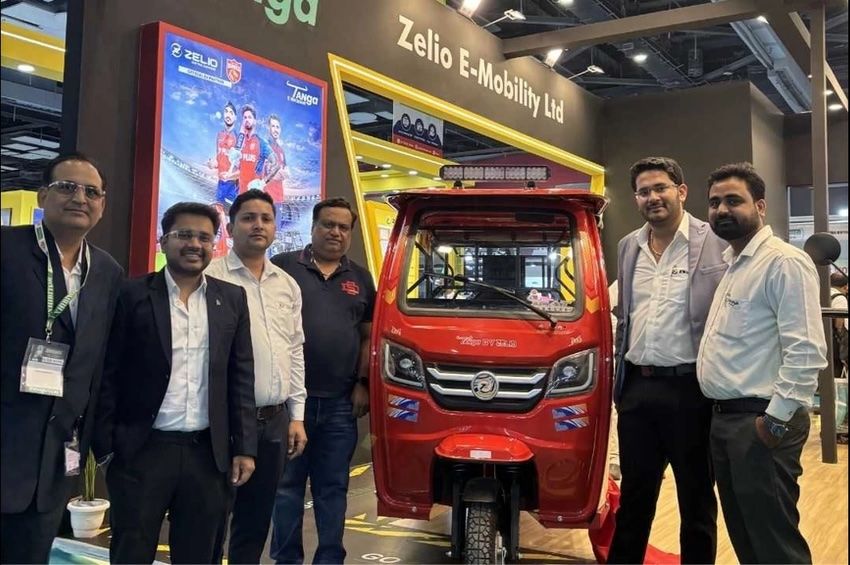
Let’s start in India, where Zelio E-Mobility has unveiled the new Zelio Tanga Nine+ at the RideAsia EV Expo 2026.
The Tanga Nine+ is a three wheeler electric rickshaw, which carries up to eight passengers! Turning a small, last-mile vehicle into something closer to a minibus for dense urban routes.
There’s also a new “Autosafe” front design - replacing the usual rickshaw open layout with something far more protective. It’s a small change visually, but a big one for safety and driver confidence.
Performance wise, it’s built for the real world:
Up to 150 km range
45 - 50 km/h top speed
Battery options up to 10 kWh
In other words, exactly what’s needed for busy city loops and semi-urban routes where reliability matters more than outright speed.
Now we jump over to the UK, where electric vehicles are getting… even smaller
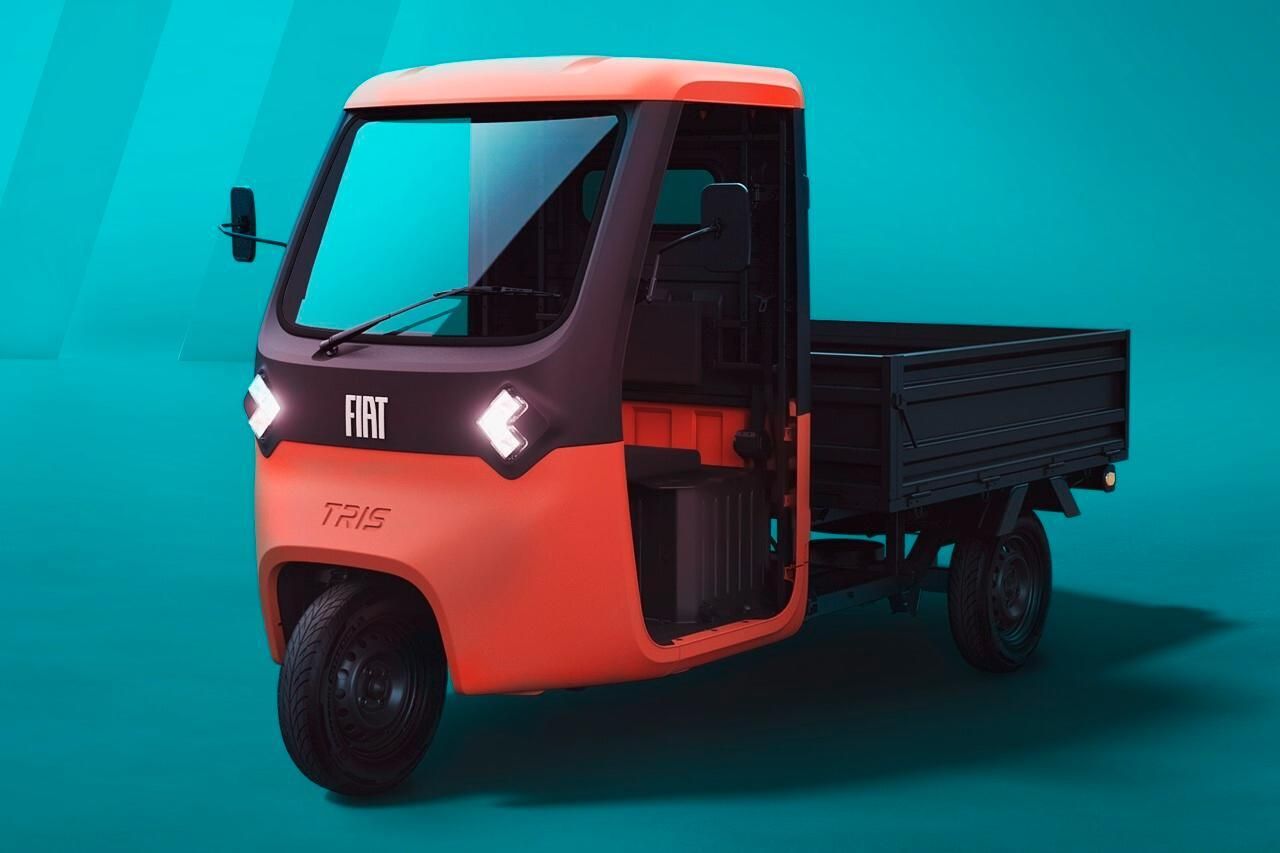
Fiat is bringing its brilliantly quirky Fiat Tris to British roads next year - a micro-truck that looks like it’s rolled straight out of a design studio daydream.
Think:
one seat
one front wheel
handlebar steering
It’s inspired by icons like the Piaggio Ape (the three-wheeled Italian light commercial vehicle), but reimagined for modern cities. The Tris is all about tight streets and tight turnarounds: with a tiny footprint, a 6.1m turning circle, and just enough range (around 56 miles/90 kilometers) to keep deliveries moving all day.
And while it might look minimal, it’s surprisingly practical:
On the one hand, vehicles like the Tanga Nine+ are maximising people movement - more passengers, more income, more efficiency per trip. On the other, the Tris is focused on goods movement - delivering just enough capacity in the smallest possible footprint.
Different solutions, same philosophy: small electric vehicles can get the job done!
So whether it’s eight passengers in Delhi or a stack of parcels in Birmingham, these tiny EVs are proving that sometimes, size does matter because smaller really is better.
EV momentum in the U.S. continues - from charging growth to new model launches
EV adoption in the U.S. might not be moving in a straight line, but the overall direction is clear. While new car sales have dipped, both charging infrastructure and vehicle innovation continue to push forward - signalling long-term confidence in electrification.
Charging networks are still expanding
The U.S. added over 3,000 new DC fast charging plugs in the first quarter alone, keeping pace with last year’s growth. In total, the country now has more than 73,000 fast charging ports across 13,000+ stations.
Growth remains steady despite a dip in EV sales
Reliability is improving, now averaging around 90-95%
High-power chargers (250kW+) are becoming the standard
Expansion is focused more on upgrading existing sites than building new ones
Even with EV sales down year-on-year, demand is keeping up with new capacity - suggesting the infrastructure is still catching up with real-world usage.
A shift in how networks are scaling
Charging operators are becoming more strategic in how they expand. Instead of rolling out entirely new locations, many are focusing on adding more chargers to existing sites and improving performance.
Pricing remains stable at around $0.45-$0.55 per kWh
CCS connectors still dominate, though Tesla’s NACS is growing
Older standards like CHAdeMO are gradually declining
Tesla remains the largest player, but its share of new installations is decreasing - opening the door for newer entrants backed by major automakers.
EVs still dominate the conversation
Over at the New York Auto Show, one thing stood out: electrification is still front and centre.
Despite softer sales, automakers are doubling down on EVs and electrified models, with new launches, concepts, and technology taking up a significant share of the spotlight.
New EV models continue to launch across segments
SUVs and electric crossovers remain the most popular formats
Performance and range are becoming key selling points
More affordable EVs are starting to enter the market
Electrification is becoming more diverse
One of the biggest themes isn’t just “more EVs” - it’s more types of electrification.
Alongside fully electric vehicles (BEVs), carmakers are expanding into:
Plug-in hybrids (PHEVs)
Traditional hybrids
Extended-range EVs (EREVs)
This mirrors what’s happening on the fleet side too - a move towards a mixed powertrain landscape, rather than a full overnight switch to electric.
What this means: Infrastructure is becoming more reliable and powerful, while vehicle options are expanding across price points and technologies. Even with short-term fluctuations in sales, the foundations for long-term adoption are still being built.
Why is charging still expanding if EV sales have dropped?
Infrastructure projects take time, and networks are building ahead of future demand as well as supporting existing EV drivers.
Are fully electric cars still the focus?
Yes - but alongside hybrids and other electrified options, giving drivers more flexibility.
Is the U.S. falling behind on EV adoption?
Not necessarily. Growth is continuing, just in a more measured and varied way.
Feeling enlightened or do you think something was missing? Let us know by sharing your feedback.