Welcome back to Electro Beat, your monthly pitstop for everything changing and developing in the world of electric mobility. October 2026 is proving that the transition to electric is no longer just about building bigger batteries; it is about building smarter systems.
Let’s get plugged in…
Wireless EV charging… on the go?
You’ve likely heard of wireless charging for electric vehicles, manufacturers like Porsche are already creating wireless charging pads so you don’t need to plug in to charge anymore. But have you heard of wireless charging whilst driving? Now that’s something new!
Electric car charging on the move is an exciting new technology which multiple companies across Europe are starting to adapt. Since France debuted the first wireless EV road back in 2025, more and more early adopters are joining the innovation bandwagon!
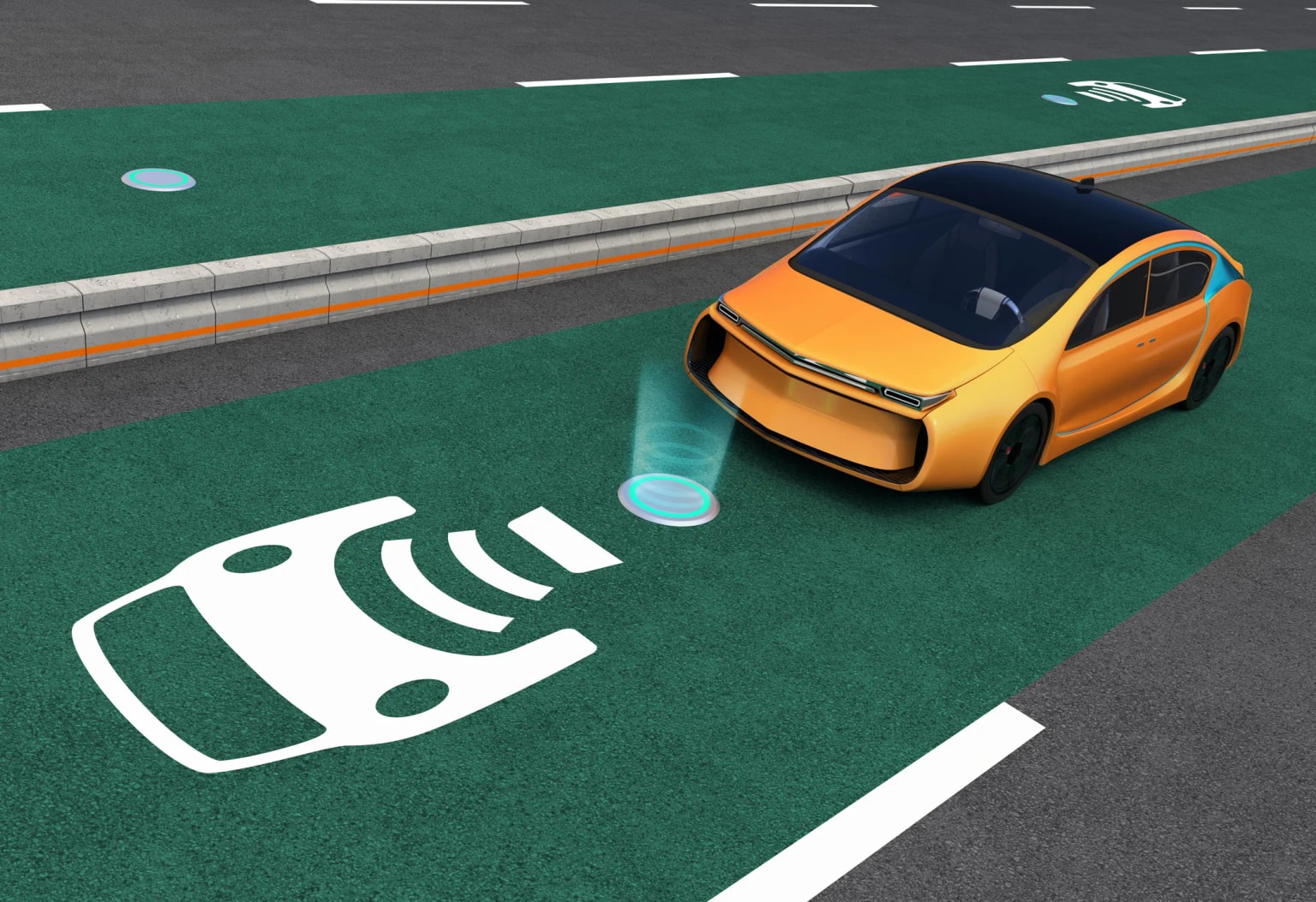
The most recent one has been Honda! Alongside specialists in construction and road construction, Taisei and Taisei Rotec, Honda are planning on using a technology named “Dynamic Wireless Power Transfer (DWPT)” - catchy! Essentially hoping to build a giant wireless charging pad underneath a motorway.
How it works
No wires, no plugs, just cars driving along the road:
The grid: DC power systems sit by the side of the road.
The road: Hidden transmitter coils under the asphalt generate a magnetic field.
The car: A receiver coil strapped to the bottom of your EV catches that magnetic energy and turns it straight into battery power while you drive!
If everything goes to plan, power output is meant to be up to 150kW! Plus, the aim is that the vehicle can be anything up to 20 tonnes, meaning anything from a Fiat 500 to a HGV (heavy goods vehicle) would be able to receive the power whilst driving.
To continue their research, Honda is planning to build a test road at Taisei’s Future Technology Field in Satte, Japan at the end of this year and are hoping to test this technology on a real road by April 2027!
What will they need to test?
The long-term durability of the road surface: will the road last when it’s driven over thousands of times.
Electromagnetic field leakage: providing solutions to large potential problems with pumping 150 kW of alternating magnetic power.
Vehicle weight endurance: ensuring the road can physically withstand heavy vehicles and provide power for all electric vehicles.
Electric vehicle battery health: will charging this way be safe for all EV batteries.
This exciting new technology brings new opportunities. Further extinction of range anxiety will be a large positive but the process will be slow and expensive as it involves entire road re-building. Still a piece of technology worth keeping an eye out for!
€50M initiative: Portugal’s expanding electric charging network
The Barraqueiro Group is Portugal’s largest private public transport operator, and they have officially invested over €50M into its electric vehicles and charging infrastructure!
As Europe races to decarbonise, Portugal is becoming increasingly aware of how important charging infrastructure is when making electric fleets dependable. This has led Barraqueiro to invest in a massive charging network rollout across the whole of Portugal, with the hope of supporting commercial electric vehicles! This large rollout involves around 88 charging stations nationwide.
As well as public chargers, Barraqueiro has used this investment to increase its electric fleet! They have added 283 vehicles to their electric fleet, which means their gigantic fleet is now 7% electric and they’re not stopping there! They’re aiming to have at least 10% of their fleet electrified.
Why is this a good thing?
Whilst the public chargers are being built for commercial vehicles, they will be open to the public and therefore charging infrastructure will be gaining an additional boost of stability. Reducing range anxiety will hopefully encourage more and more people to make the transition to electric!
Barraqueiro is also claiming that their 7% transition to electric will help prevent around 8,119 tonnes of carbon dioxide emissions every year!
The Paris Motor Show's electric future: smaller, quicker and a little more fun
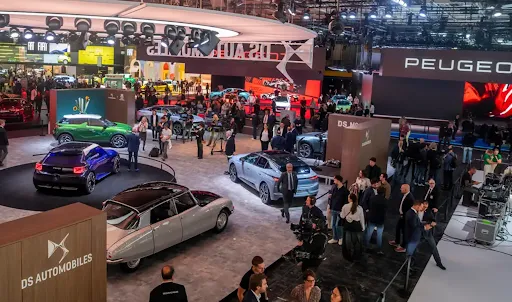
If you wanted a snapshot of where the European EV market is heading, Paris was a pretty good place to start.
The 2026 Paris Motor Show attracted 518,372 visitors, with more than 60 car manufacturers and over 100 exhibitors filling the show. There were plenty of new petrol and hybrid models on display too, but the electric cars stole plenty of the attention - from affordable city cars to a seven-seat EV that can add almost a full charge in nine minutes.
And there was a clear theme running through the show: EVs are getting smaller, more affordable and quicker to charge, while manufacturers are increasingly building them in Europe for European drivers.
Small EVs are getting serious
One of the biggest trends was the number of compact electric cars heading towards the market.
Volkswagen Group brought four new urban EVs together for the first time: the CUPRA Raval, Volkswagen ID. Polo, Škoda Epiq and Volkswagen ID. Cross. They share a platform and more than 80% of their parts, but each gets its own styling and character. Almost 150,000 orders had already been placed before deliveries had even started.
Leapmotor also showed its new B03 urban hatchback, with up to 242 miles of WLTP range and 10-80% charging in around 21 minutes.
Then there was perhaps the most nostalgic reveal of the lot…
Say bonjour again to the 2CV
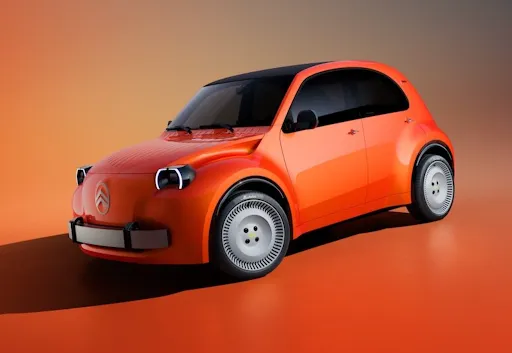
Citroën brought one of France's most recognisable cars back from the history books, but this time, it's electric.
The 2 CV Concept is a modern take on the original 2CV, with a compact 3.76-metre body, a fabric roof and plenty of playful nods to the original. Even the door storage is designed to hold eggs, just like the practical thinking behind the original car.
It's still a concept, but Citroën says a production model is planned for 2028, with a target starting price of around €15,000 and European production.
The idea is refreshingly simple: rather than giving a small EV an enormous battery and loads of unnecessary kit, keep it light, affordable and suited to everyday journeys.
Yes, those are egg holders: One of the 2CV Concept's door storage compartments is specifically designed to hold eggs, a nod to the original 2CV's brief to transport a basket of eggs across a field without breaking them. Citroën has kept the joke alive for the electric era.
Charging is getting seriously quick
At the other end of the scale, BYD showed just how far charging technology is moving.
Its new ATTO 8 seven-seater uses the company's FLASH Charging system to go from 10% to 97% in around nine minutes, although you'll need access to a compatible FLASH charger to achieve that speed. BYD plans to have 3,000 of these chargers across Europe by the end of 2027.
Several other cars at the show can now manage a 10-80% charge in around 20 minutes, too.
That matters because faster charging is becoming less of a futuristic headline and more of a genuine improvement to the everyday EV experience.
Built in Europe, for Europe
Another theme was where these cars are being made.
Volkswagen's new urban EVs will be produced in Spain, while Leapmotor has also started building its B10 there. Hyundai says almost 80% of the cars it sells in Europe are now built in Europe.
That's particularly notable as more Chinese manufacturers enter the European market. Rather than simply importing cars, several brands are increasingly looking to manufacture closer to the people they're selling to.
It's not just cars
There was plenty happening beyond the family hatchback, too.
Hyundai unveiled its first fully electric van, the STARIA Cargo, with around 280 miles of WLTP range, 1,040kg of payload and 2,000kg of towing capacity. Its 800V system can take it from 10-80% in around 20 minutes.
And Peugeot showed off the RCZ Vision, an electric coupé concept with a claimed 372-mile range and solid-state battery technology that could charge from 10-80% in around 10 minutes.
So, what did we learn from Paris?
The next wave of EVs isn't just about bigger batteries and longer ranges. It's about making electric cars more affordable, easier to charge, more practical and better suited to different types of drivers.
And, thankfully, it looks like manufacturers haven't forgotten that cars can be a bit of fun, too.
Big planning changes for cross-pavement charging set-ups in the UK
A huge 94% of electric car owners are reporting cheaper running costs, and a recent planning deregulation in the UK looks to open this up to more people. The shift to making cross-pavement home charging easier could unlock up to £1,750 in yearly fuel savings for millions of terraced and on-street households.
Historically, there’s been a barrier to many drivers accessing these savings: the need for a driveway or off-street parking for a home charger.
Now, a major deregulatory move from the UK government aims to dismantle the so-called "driveway divide." Under newly introduced permitted development rules, motorists in England will no longer need to navigate local planning permission previously required to install cross-pavement charging channels.
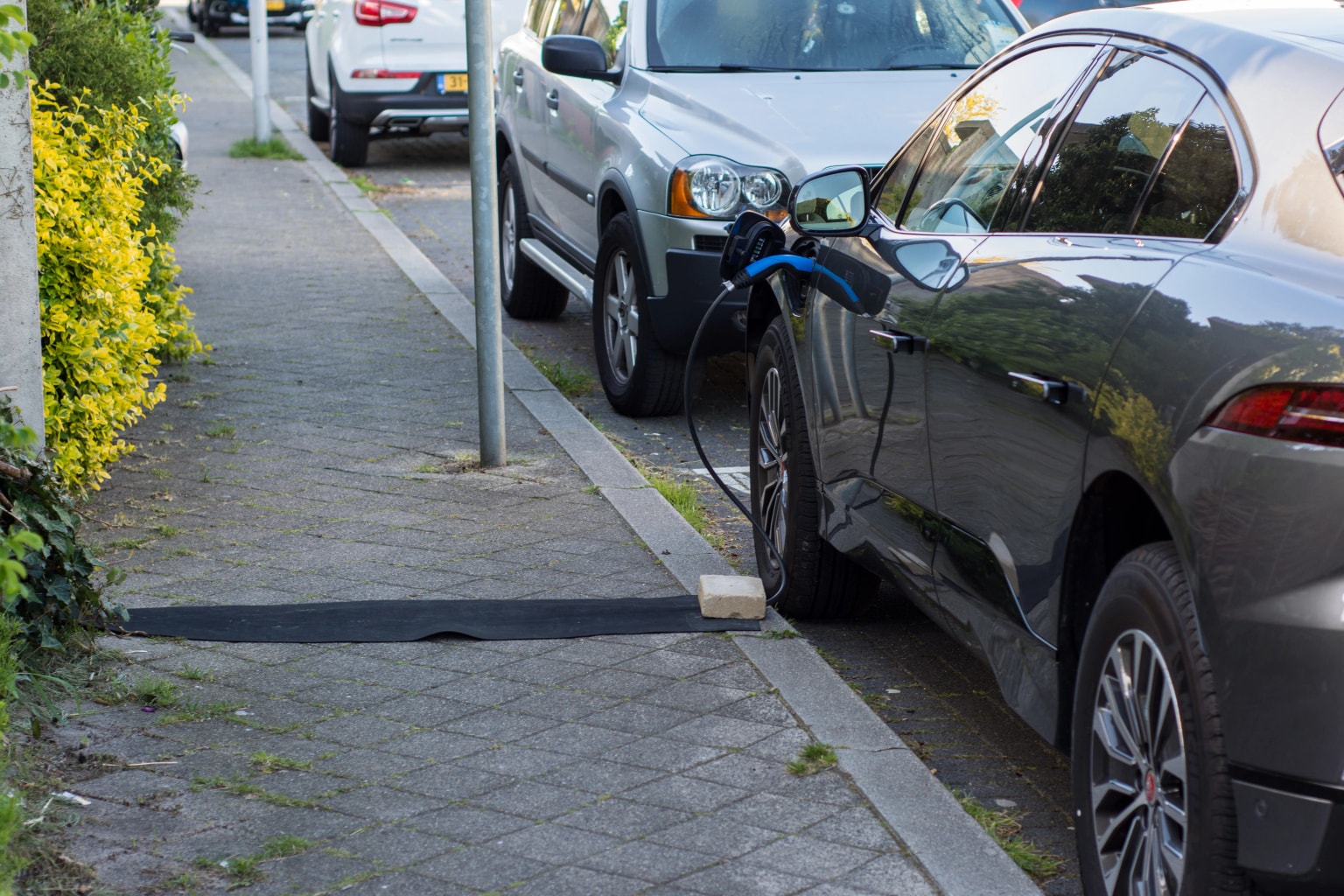
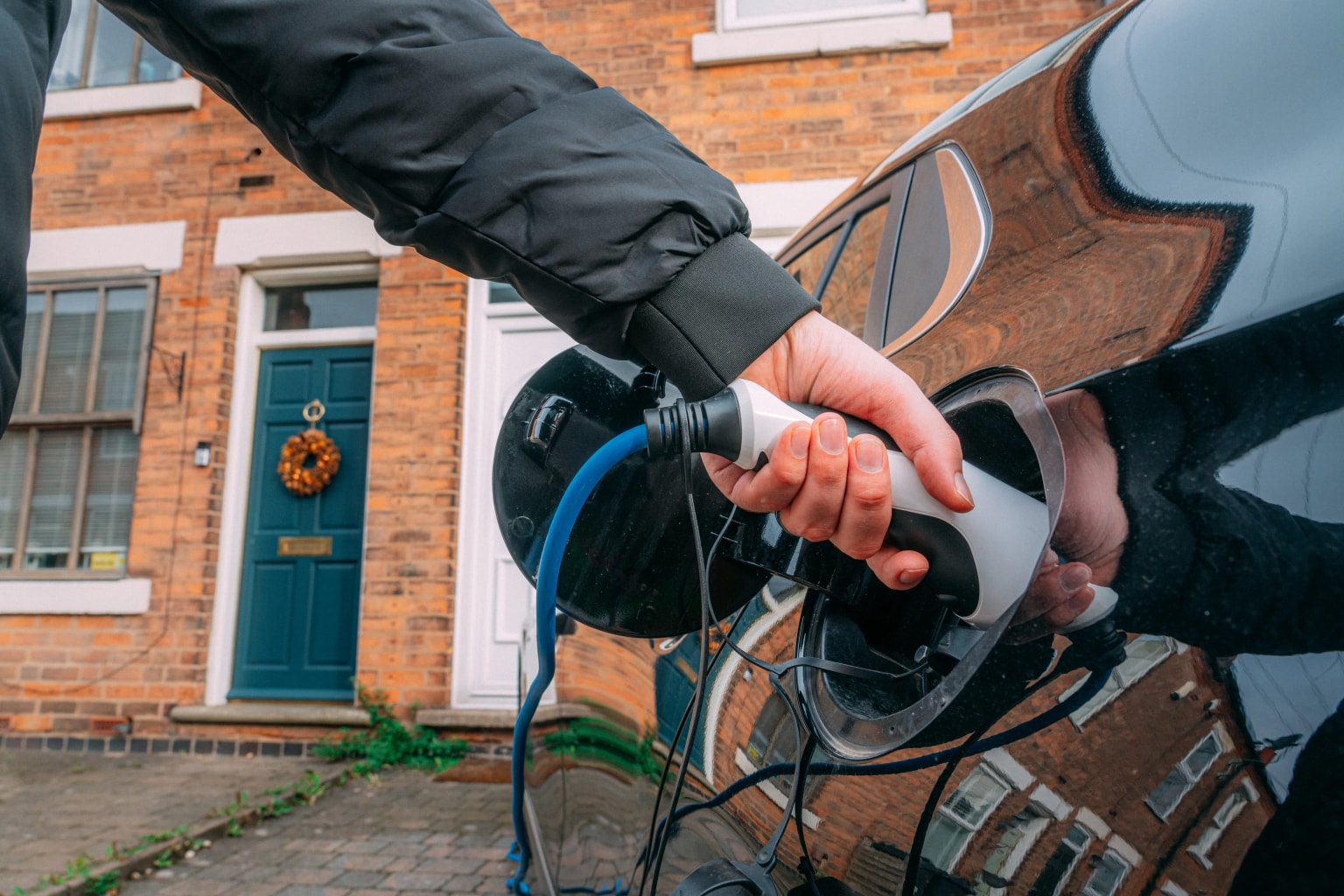
These subterranean pavement gullies (flush channels that house a cable running underground from a property’s front door straight to a car parked curbside) mean drivers without private driveways can finally access cheap, off-peak domestic energy rates.
What are the benefits for drivers?
We can think of a few. The removal of the planning permission requirement removes £300 and £500 in upfront administrative fees and cuts out approval delays that previously went on for months.
More significantly, it gives drivers more options to charge cheaper. According to the Department for Transport (DfT), connecting an on-street vehicle directly to a household fuse box allows drivers to tap into domestic overnight tariffs, potentially reducing vehicle running costs by up to £1,750 a year compared to petrol.
"We’re saving drivers up to £300 off the cost of installing home charging by cutting unnecessary red tape," said Buses and Local Transport Minister Simon Lightwood. "The EV transition is in full swing, with sales up 36% on last year, and over 190,000 have saved thousands by making the switch in the last year alone."
The change addresses an opportunity highlighted by the Electric Vehicle Association England (EVA England). In a recent survey, 88% of current EV drivers surveyed charge on private driveways, making the most of domestic power taxed at standard household rates. EVA England’s data also revealed that 60% of petrol and diesel drivers without off-street parking had previously ruled out an EV entirely due to charging uncertainty.
"Electric cars work. The people driving them are saving money, they love their cars, and most wouldn't dream of going back," said Dr. Vicky Edmonds, CEO of EVA England. "Removing the need for planning permission for cross-pavement charging is a really welcome and meaningful step towards a fairer transition. It could make the difference between being able to afford an electric car and ruling one out altogether."
A win for renters and leaseholders
The cross-pavement reform is part of a broader legislative push from the UK Government. Alongside the planning changes, the government has launched two consultations closing in mid-December to prevent landlords and freeholders from blocking charging installations.
Under the proposed rules, property managers and freeholders will have mandatory requirements that make it harder to refuse reasonable tenant requests for charging points. Alongside that, updates to national building regulations are being looked at to mandate that charging infrastructure be built into all new and refurbished covered car parks.
Alignment to the UK Budget announcement
Between recent rule changes and the latest Budget updates, the UK’s electric transition is building confidence in drivers. Here are some other announcements that impact EV drivers:
Benefit-in-Kind (BiK): Lower company car tax bands for fully electric models have been protected with predictable, gradual increments through 2029.
Luxury Car tax relief: The £50,000 threshold update means your team can drive reliable, family-sized EVs without taking a hit on "expensive car" surcharges.
Targeted grants: No change to upfront grants, which can knock £3,750 off the price tag of eligible electric cars. There are grants to help cover the cost of getting a dedicated home charger wired up.
Funding for local public charging: The government’s new £100m fund will lower rates at neighbourhood public chargers, further narrowing the price gap for drivers without home driveways.
No driveway? No problem.
One in three UK households park on the street. By making curbside charging cheap, accessible, and practical, one of the biggest barriers to EV adoption is finally out of the way. Coupled with the increasingly positive sentiment from current EV drivers, as found in our recent Octopus Electrovers x Autotrader Driver Survey, the EV transition shows no sign of losing momentum. To read more about how driving electric delivers a more satisfying, high-performance experience, check out the survey results here.
London taxis hoping to go fully electric by 2030
TfL taxis have been given a deadline, and it’s sooner than you think. Transport for London has new plans to have a fully electric minicab fleet by 2030. The typical minicab travels around 30,500km a year so cutting these potential emissions down to zero would be a massive win for TfL targets.
Here’s some dates for your diary:
3rd July 2028: All new private hire vehicles must be 100% electric, meaning hybrids are no longer applicable for licensing.
1st July 2030: A small extension on the deadline for Wheelchair Accessible Vehicles to allow manufacturers an extra time to work on the specific accessibility technology.
What difference will this actually make for London clean air? The TfL predicted targets shout out a 9% reduction in nitrogen oxide emissions, and 35% for carbon dioxide emissions. 18 years prediction is forecasted to reduce these emissions by a whopping 97%.
What does a clear deadline mean for London taxi fleets?
With legislation, and confirmation from the powers that be at Transport for London, it increases the confidence to make the switch to electric. Drivers can make the informed decision to change, and businesses can confidently invest in the transition.
A few changes to the current way taxicabs run their vehicles include the 10 year rule, stopping any minicab to run past their 10th birthday. This stops outdated wet fuel vehicles from staying on the roads. The ‘new licensing’ stipulation also prevents older vehicles from being re-licensed with a tightened deadline of 12 months, down from 24.
If these targets live up to their predictions, it could be a huge step forwards to cleaning up London’s air and beyond.
Bolt on track to hit 100,000 robotaxis by 2035
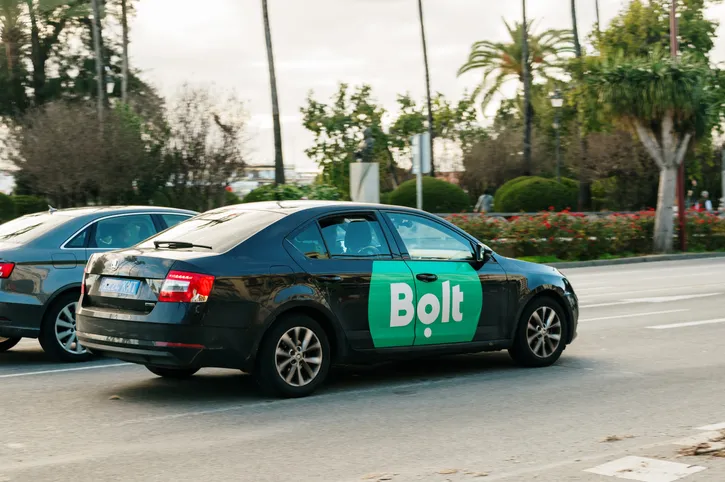
Bolt takes its hands off the wheel with huge steps forwards in their robotaxi mission. Already a well established taxi provider across Europe, their strides into the autonomous driving tech is Bolt’s competitive target in the European market. They’re betting big with their 2035 goal of 100,000 robotaxis on its platform by 2035.
They aren’t going at it alone. Earlier in September, the taxi service announced a partnership with US manufacturer, Lucid Motors with a goal of minimum 25,000 autonomous vehicles across Europe. Combining the luxury vehicles with the hail and ride service.
As for the “robo” part of the robotaxi, Bolt is bringing in Nvidia, global tech leader in AI infrastructure. By partnering with Bolt, this US designed technology is expanding into European space. With a Madrid focus and plans to expand into France and Germany by the end of next year, Bolt is well on their way to achieving their goal. First step Madrid, next step 100,000 robotaxis zooming around Europe.
With the scope of Europe, why is Bolt prioritising Madrid for this deal? Interestingly, the region has a testing permit for light commercial operations that have easier approval options.
As the epicentre of these deals, Bolt is decidedly not exclusive to their US partners. A similar deal with Stellantis looks to start piloting these new vehicles in Paris. With an initiative called the Greater Paris Autonomous Driving Living Lab. Each partner in the deal has a distinctive role to play:
Stellantis to deploy their Level-4 ready vehicles
Bolt to coordinate service integration and planning
Métropole du Grand Paris manages the relationship between local authorities and transport links.
Here’s what Bolt have to say about their strides in autonomous driving:
“Europe must be able to build and deploy autonomous mobility on its own terms.” - Markus Villig, Bolt CEO
“Autonomous mobility is not a finished product that you simply bring into Europe once the technology is ready.” Jevgeni Kabanov, Bolt President.
The priority of these pilots is driver safety, reliability, passenger experience, and importantly, integrating with existing transportation. All the new robotaxi technology is cool, but it needs to be functional and a smooth customer experience without sacrificing community safety.
Feeling enlightened or do you think something was missing? Let us know by sharing your feedback.